Pit Overview

Virtual Pit

Interact with the 3D field and experience this soil pit virtually.

Soil Constraints

Explore the constraints within the Buckleboo Soil Pit

Ph

Interact with the 3D soil wall Imodel which shows the thin layer around the roots where the soil is alkaline, called rhizosphere. The plant uses root exudates to change the pH or opt to watch the pH video!

Water Repellent

Nutrients

Soil Strength

Subsoil Hostilities

Subsoil hostilities – clay content increases below 90cm, with an excess of magnesium and sodium; peds were dispersive.
The soil was saturated above this horizon boundary, suggesting water perches above the dispersive clay

Conclusion
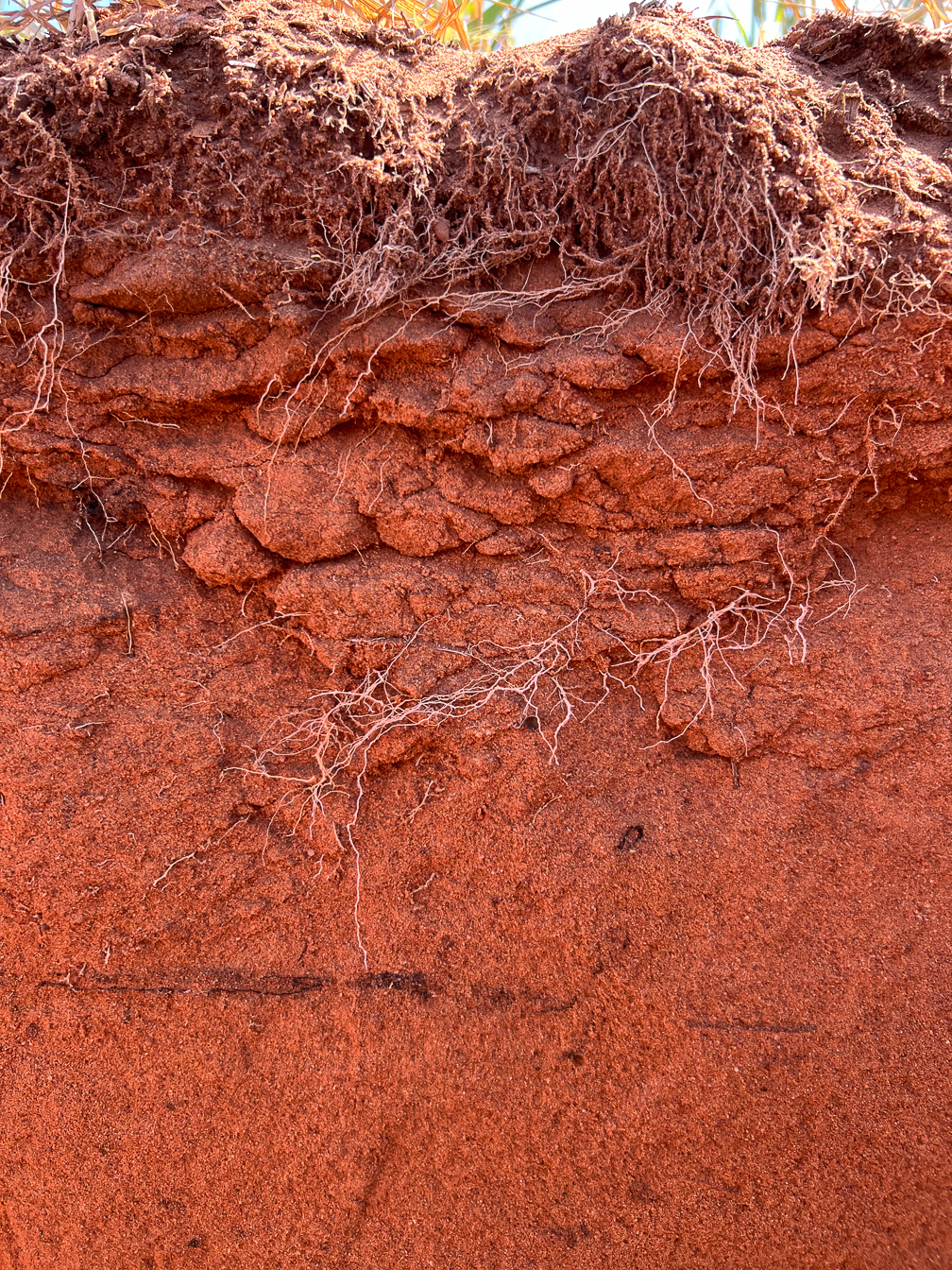
In summary, while the soils at Buckleboo are capable of supporting agriculture, they present several challenges. The combination of stratified acidity, low organic carbon, nutrient deficiencies, water repellence, and subsoil constraints must be carefully managed to maintain productivity. Strategies such as liming to address acidity, deep ripping to break compaction layers, and soil amelioration to improve water infiltration could enhance crop performance in this region.
Chisel plough with a Bednar or deep ripping with inclusion plates may provide an effective solution to providing some nutrition and carbon in the subsoil to encourage root growth and alleviate acid stratification; lime application may also be beneficial. Fertilise annually to correct constraints.

Soil Pit Summary